Calling
"The hand closes before the mind consents"
The Wound
You spent years holding tools that were not yours. The chisel bit crooked and the pen never settled, no matter how you turned your wrist. Each fit well enough to deceive for a season – long enough to build calluses in places your hand wasn't shaped to harden. Pain became landscape. A pull you learnt to call fatigue, a numbness you stopped noticing. The body swallowed your lie – said comfortable when it meant familiar. One day, your hand closes around something new. Your fingers find grooves you didn't know you were searching for. Your wrist settles. The angle feels like rest and the tension releases. Then, from somewhere behind your ribs, a sound. As if your whole body were a string struck to its own note.
The Path
Your hands are shaking. You have gripped handles this tight before. You have sworn oaths to instruments that went silent in your hands. Each time, certainty lied. Maybe this is luck. Maybe any note would move you the same way. To answer this resonance would mean admitting the years, the practice, the identity – all of it spent in the wrong key. So you set it down. Fingers open. The turn back to the familiar – names, histories, the approval of everyone watching – feels almost like relief. You wait for the resonance to fade into embarrassment. It sharpens. Night wakes you with your chest humming the pitch. Days fill with noise until the noise gives out. The call waits. At last your body refuses the dissonance, not triumph. Exhaustion. Refusal finally costs more than the answer. You cross the room. You reach for what you left behind, and it is still holding the shape of your grip. Your fingers close. The weight finds its place as the scar you forgot catches the light. The numbness at the root of your thumb awakens. A quiet sound rises, and your chest stops humming. The silence that follows is the first silence that is whole.
The Shadow
The Astute hears the note, and his chest answers before he does. The fear of error sounds like wisdom: that every path chosen is every other path now dead. So he does not answer the note. He acquires it. Places the tool on a shelf. Pristine. Promising himself certainty that never comes. Other tools arrive. Each with its own sound, its own promise, and the same cold interruption. He acquires them too. The shelf becomes a wall. The wall becomes an altar. In the first year he says: I will return when I know. In the fifth, I am devoted to the knowing itself. Near the end: the threshold is holier than the temple. He dies in that shrine. Dust on every handle. The tools outlive him – none worn by use, none taught to sing. Strangers pick them up, answer the notes at last, and never learn the name of the man who kept them waiting. ❖ The Worthy heard the note once. Young, before he understood what it would cost. The resonance was unmistakable. So was what it demanded: to disappoint everyone who had already decided what he should carry. His father's adze waited in the corner – the one that smelled of pine and of his hands. Every morning he wakes to its weight. Every stroke jars bones shaped for a different angle. He dies with calluses in the wrong places. Somewhere, the tool that fits his grip is teaching someone else to sing.
The Cut
What holds your handprint while your hands are elsewhere?
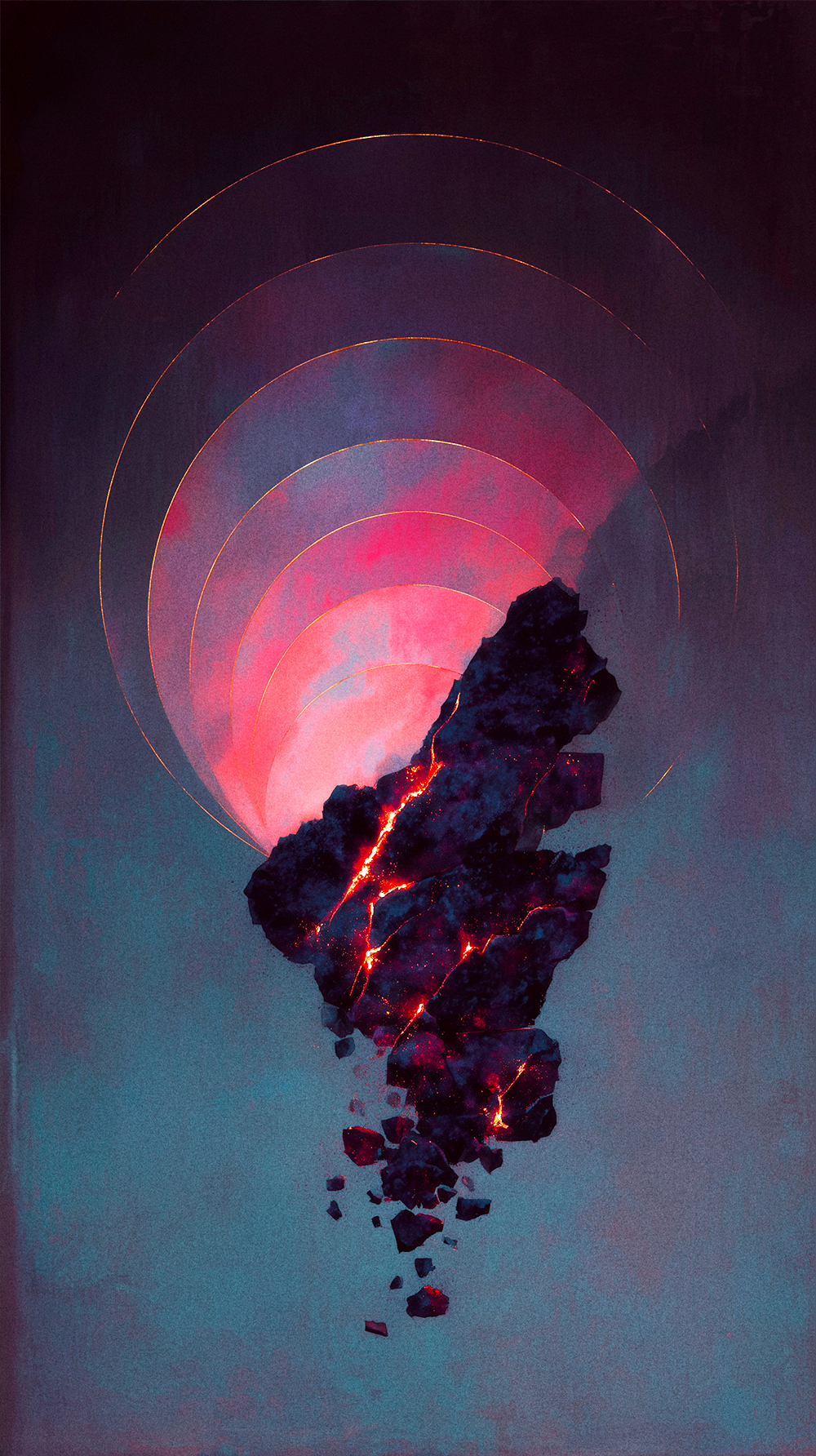
CALLING
The hand closes before the mind consents
Calling
"The hand closes before the mind consents"
The Wound
You spent years holding tools that were not yours. The chisel bit crooked and the pen never settled, no matter how you turned your wrist. Each fit well enough to deceive for a season – long enough to build calluses in places your hand wasn't shaped to harden. Pain became landscape. A pull you learnt to call fatigue, a numbness you stopped noticing. The body swallowed your lie – said comfortable when it meant familiar. One day, your hand closes around something new. Your fingers find grooves you didn't know you were searching for. Your wrist settles. The angle feels like rest and the tension releases. Then, from somewhere behind your ribs, a sound. As if your whole body were a string struck to its own note.
The Path
Your hands are shaking. You have gripped handles this tight before. You have sworn oaths to instruments that went silent in your hands. Each time, certainty lied. Maybe this is luck. Maybe any note would move you the same way. To answer this resonance would mean admitting the years, the practice, the identity – all of it spent in the wrong key. So you set it down. Fingers open. The turn back to the familiar – names, histories, the approval of everyone watching – feels almost like relief. You wait for the resonance to fade into embarrassment. It sharpens. Night wakes you with your chest humming the pitch. Days fill with noise until the noise gives out. The call waits. At last your body refuses the dissonance, not triumph. Exhaustion. Refusal finally costs more than the answer. You cross the room. You reach for what you left behind, and it is still holding the shape of your grip. Your fingers close. The weight finds its place as the scar you forgot catches the light. The numbness at the root of your thumb awakens. A quiet sound rises, and your chest stops humming. The silence that follows is the first silence that is whole.
The Shadow
The Astute hears the note, and his chest answers before he does. The fear of error sounds like wisdom: that every path chosen is every other path now dead. So he does not answer the note. He acquires it. Places the tool on a shelf. Pristine. Promising himself certainty that never comes. Other tools arrive. Each with its own sound, its own promise, and the same cold interruption. He acquires them too. The shelf becomes a wall. The wall becomes an altar. In the first year he says: I will return when I know. In the fifth, I am devoted to the knowing itself. Near the end: the threshold is holier than the temple. He dies in that shrine. Dust on every handle. The tools outlive him – none worn by use, none taught to sing. Strangers pick them up, answer the notes at last, and never learn the name of the man who kept them waiting. ❖ The Worthy heard the note once. Young, before he understood what it would cost. The resonance was unmistakable. So was what it demanded: to disappoint everyone who had already decided what he should carry. His father's adze waited in the corner – the one that smelled of pine and of his hands. Every morning he wakes to its weight. Every stroke jars bones shaped for a different angle. He dies with calluses in the wrong places. Somewhere, the tool that fits his grip is teaching someone else to sing.
The Cut
What holds your handprint while your hands are elsewhere?