Grace
Arete
"The fruit falls for the seed, not the soil"
The Threshold
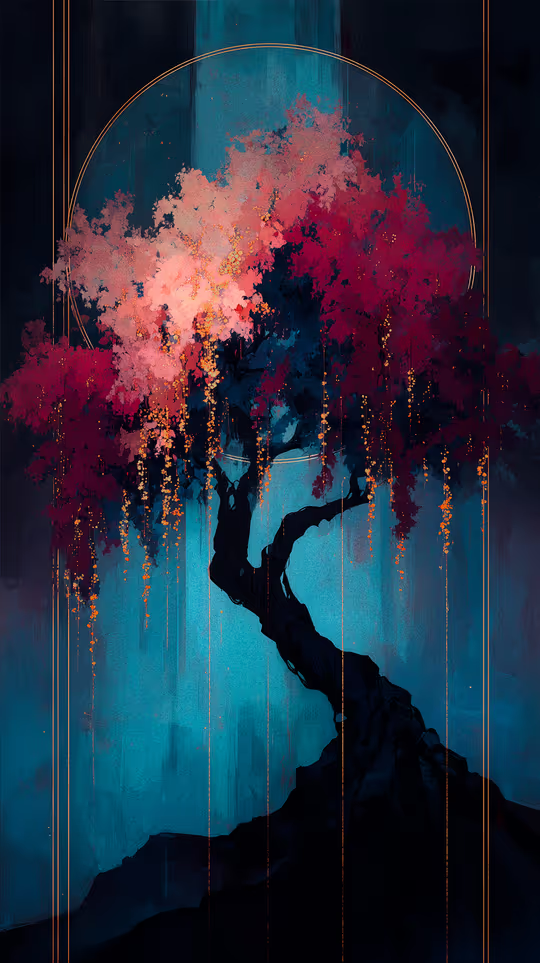
Rooted and silent, branches heavy with fruit, the tree stands above open hands and stone alike. It bears until the branch bends, and lets go. The sap rises whether the tree consents or not. Before it becomes fruit, it is already given. Its roots draw from water it never earned, from soil it never built. Rain passes into sap; sap swells into fruit. Before any hand receives it, the fruit has left the branch. It falls where it falls – on grateful hands, on barren stone, into lives that will never learn its name. The tree knows no other way. It roots. It rises. It lets go.
The Way
The branch grows strong where the fruit has bent it. A fruitless branch thins. Each season drives the roots deeper, towards water the tree never knew was there. Then comes the season when sweetness dries to rind. The sap slows. What once opened into branch now begs to be wood again. But the roots remember the dark. Into that stillness, someone hungry steps close and reaches for the last fruit. You have nothing left. Still, you let go. The bark splits where the fruit tears free. Your vow belongs to the seed. Never the soil.
The Shadow
The Generous bore freely – no hesitation, no conditions. Warm hands rose beneath her fruit; below them, the soil held nothing. No seed took root. She bore more. A young man came in the drought year. He ate; his shoulders squared, his colour returned. Three seasons she poured her sap into one branch, the one that reached towards him. The other branches thinned. She did not notice. He grew strong. One morning she saw him standing at the edge of her shade, already looking past her. She bore one more fruit, the last the branch could carry. It fell at his feet. He stepped over it. She bears more. Weaker now. The last fruit falls into earth that has already forgotten her name. She wonders: what was wrong with my sweetness? Nothing. Some soil is barren no matter what falls. ❖ The Discerning counts the rings in his wood. Each one remembers fruit gone to rot on stone, a hand that took and never looked up. He swore his sweetness would find soil that holds. He wanted the fall to leave him clean. Now he reads the ground before the fruit falls. Too loose. Too dry. Too quick to open. He holds the branch until certainty arrives. A girl came during the drought. Three days she stood beneath his branches, lips cracked, asking nothing. She waited. On the third day, the branch bent of its own accord. One fruit hung so low she could have taken it. The pull – sap straining at the joint, the wood groaning to let go. His roots read the ground beneath her feet and found only shallow, shifting sand. He could read the soil. He could not read what her hunger would become. She left on the fourth morning. He watched her walk east. Years later, a traveller rests in his shade and speaks of an eastern orchard, planted by a woman with cracked lips. He does not answer. Above him hangs that summer's fruit – blackened, fused to the stem. He can no longer tell where the stem ends and he begins. He kept it whole, and now it keeps him. East of him, the woman with cracked lips has turned hunger into an orchard..
The Cut
What fruit are you holding until it rots on the branch?
Previous
Philotimo
Next
Magnanimity
Grace
"The fruit falls for the seed, not the soil"
Arete
GRACE
The fruit falls for the seed, not the soil
The Threshold
Rooted and silent, branches heavy with fruit, the tree stands above open hands and stone alike. It bears until the branch bends, and lets go. The sap rises whether the tree consents or not. Before it becomes fruit, it is already given. Its roots draw from water it never earned, from soil it never built. Rain passes into sap; sap swells into fruit. Before any hand receives it, the fruit has left the branch. It falls where it falls – on grateful hands, on barren stone, into lives that will never learn its name. The tree knows no other way. It roots. It rises. It lets go.
The Way
The branch grows strong where the fruit has bent it. A fruitless branch thins. Each season drives the roots deeper, towards water the tree never knew was there. Then comes the season when sweetness dries to rind. The sap slows. What once opened into branch now begs to be wood again. But the roots remember the dark. Into that stillness, someone hungry steps close and reaches for the last fruit. You have nothing left. Still, you let go. The bark splits where the fruit tears free. Your vow belongs to the seed. Never the soil.
The Shadow
The Generous bore freely – no hesitation, no conditions. Warm hands rose beneath her fruit; below them, the soil held nothing. No seed took root. She bore more. A young man came in the drought year. He ate; his shoulders squared, his colour returned. Three seasons she poured her sap into one branch, the one that reached towards him. The other branches thinned. She did not notice. He grew strong. One morning she saw him standing at the edge of her shade, already looking past her. She bore one more fruit, the last the branch could carry. It fell at his feet. He stepped over it. She bears more. Weaker now. The last fruit falls into earth that has already forgotten her name. She wonders: what was wrong with my sweetness? Nothing. Some soil is barren no matter what falls. ❖ The Discerning counts the rings in his wood. Each one remembers fruit gone to rot on stone, a hand that took and never looked up. He swore his sweetness would find soil that holds. He wanted the fall to leave him clean. Now he reads the ground before the fruit falls. Too loose. Too dry. Too quick to open. He holds the branch until certainty arrives. A girl came during the drought. Three days she stood beneath his branches, lips cracked, asking nothing. She waited. On the third day, the branch bent of its own accord. One fruit hung so low she could have taken it. The pull – sap straining at the joint, the wood groaning to let go. His roots read the ground beneath her feet and found only shallow, shifting sand. He could read the soil. He could not read what her hunger would become. She left on the fourth morning. He watched her walk east. Years later, a traveller rests in his shade and speaks of an eastern orchard, planted by a woman with cracked lips. He does not answer. Above him hangs that summer's fruit – blackened, fused to the stem. He can no longer tell where the stem ends and he begins. He kept it whole, and now it keeps him. East of him, the woman with cracked lips has turned hunger into an orchard..
The Cut
What fruit are you holding until it rots on the branch?
Previous
Philotimo
Next
Magnanimity