Reckoning
"Every lock has two prisoners"
The Wound
Your life is a house whose creaks you know, save one room. The one you sealed the night you chose survival. Your mind forgot the lock. Your palm remembers the key. The frame bows. The door warps. Wood groans remembering a shape it was bent from. Your hand finds the lock. Rust resists, then yields. The door gives.
The Path
You step through. The air is thick with rust and old fear. He's there. Bare feet on cold concrete, arms locked around the beam. He hasn't moved since the night you sealed this door. His eyes meet yours the instant you open it. Behind him, the collapse still presses. In his face, no accusation – only the stillness of someone who never stopped listening for your step. The vigil you abandoned, he kept. Your knees find the concrete. Rest now. I'll carry it. He looks at you, you look back. Your weight settles beside his. His shoulders drop as the beam releases. The fist you mistook for a heart unclenches. Behind him, the wall gives way – light pours in. Neither of you looks away.
The Shadow
The door can open. The body need not follow. The Merciful opens the door. Sees the child. Says the right words: I see you. I know what happened. Rest now. His foot lifts, already returning to the hallway. His hands linger at the doorframe, composing the story of what he saw. He retreats with his story. Polishes it. Performs it. The story is more beautiful than the boy ever was. Eventually, he believes it. He writes about the room. Speaks about it. Visitors ask what he found there. None ask what he left behind. The boy is still there, still holding. The door stands open now. Around it, an audience that believes he's been saved. ❖ Her hand moves towards the lock, but stops. The Unburdened cannot face what waits inside. Her body remembers the ragged breathing that night. The child's voice begging: Don't leave me here. She tells herself the room doesn't exist. Later, it's the house that's the problem. The voice hums regardless. She strikes a match. Photographs curl; the rug blackens. She runs barefoot into the dark, telling herself the glow at her back is sunrise. New city, new walls, the same hands. One night – the doorknob. The same grain against her palm. The room she burnt was never in the house.
The Cut
Who ages behind the door you locked?
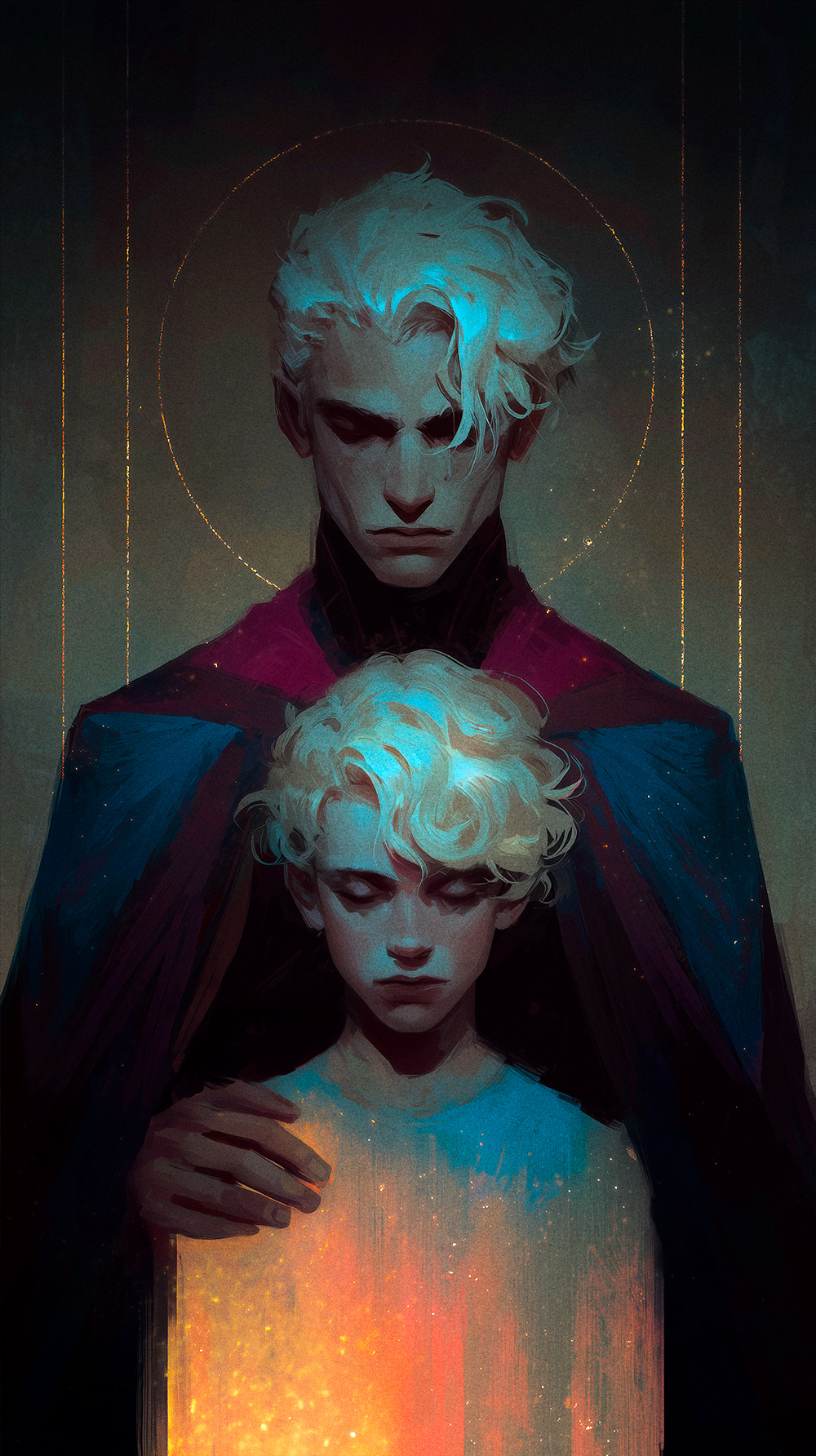
RECKONING
Every lock has two prisoners
Reckoning
"Every lock has two prisoners"
The Wound
Your life is a house whose creaks you know, save one room. The one you sealed the night you chose survival. Your mind forgot the lock. Your palm remembers the key. The frame bows. The door warps. Wood groans remembering a shape it was bent from. Your hand finds the lock. Rust resists, then yields. The door gives.
The Path
You step through. The air is thick with rust and old fear. He's there. Bare feet on cold concrete, arms locked around the beam. He hasn't moved since the night you sealed this door. His eyes meet yours the instant you open it. Behind him, the collapse still presses. In his face, no accusation – only the stillness of someone who never stopped listening for your step. The vigil you abandoned, he kept. Your knees find the concrete. Rest now. I'll carry it. He looks at you, you look back. Your weight settles beside his. His shoulders drop as the beam releases. The fist you mistook for a heart unclenches. Behind him, the wall gives way – light pours in. Neither of you looks away.
The Shadow
The door can open. The body need not follow. The Merciful opens the door. Sees the child. Says the right words: I see you. I know what happened. Rest now. His foot lifts, already returning to the hallway. His hands linger at the doorframe, composing the story of what he saw. He retreats with his story. Polishes it. Performs it. The story is more beautiful than the boy ever was. Eventually, he believes it. He writes about the room. Speaks about it. Visitors ask what he found there. None ask what he left behind. The boy is still there, still holding. The door stands open now. Around it, an audience that believes he's been saved. ❖ Her hand moves towards the lock, but stops. The Unburdened cannot face what waits inside. Her body remembers the ragged breathing that night. The child's voice begging: Don't leave me here. She tells herself the room doesn't exist. Later, it's the house that's the problem. The voice hums regardless. She strikes a match. Photographs curl; the rug blackens. She runs barefoot into the dark, telling herself the glow at her back is sunrise. New city, new walls, the same hands. One night – the doorknob. The same grain against her palm. The room she burnt was never in the house.
The Cut
Who ages behind the door you locked?