Sacrifice
Telos
"Only what is spent becomes light"
The Threshold
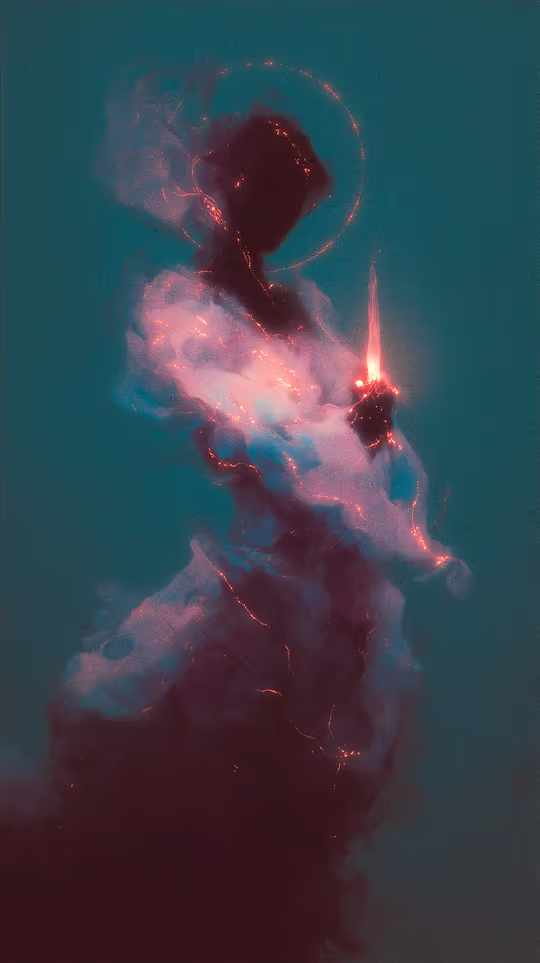
You stand in the dark, wick bare, wax heavy and unspent. Every refusal bought another day intact. But the wick yellows; the wax cracks where it meets the air. The match hovers. Its heat arrives before its light. Already the wick leans towards what will consume it. You could refuse the flame – hoard the wax, keep the shape perfect in the untouched dark. But the wick says yes: to this room, this dark, this hour.
The Way
The match strikes. What catches cannot return untouched. The burning begins with a hiss, blue at the base of the wick. Fire, before it learns to lie. The first instant is violence. Your edges run and the shape you guarded gives. You mourn the shape you were. Then the darkness retreats. A cracked stone wall. One face turns towards you, then another. The room was always full. The cold eases from the nearest faces. Even as you thin, even as the wick chars, you understand: you were never the wax. You were the light waiting inside it.
The Shadow
The Ardent watched the eyes. In the early years, the room was full: his wife at the front, his daughter beside her, friends who came for the warmth and stayed for the spectacle. When their eyes drifted, he made his flame leap. When they stared, he let himself gutter, just to hear them catch their breath. One night, his wife's hand rested on his, warmer than his flame. He could have been still. He reached for the next flare. In the quiet, he heard himself disappearing. His wife looked away first. Then his daughter. Mid-flare, he looked out. Empty chairs. He burnt brighter – reflex. The warmth had been real. He had spent it on the eyes, never on the hand on his. ❖ The Sparing saw what happened to her mother – wick lit for every stranger, every cause, every plea. By the time she needed light, her mother was a stub of wax, too short to hold a flame. She had written conditions for the worthy dark: it must be absolute; it must be permanent; it must contain no one who could ever leave. Every room that needed her light, she measured. None passed. One night, small fists on her door. The knocking came in bursts – desperate, quiet, then desperate again; the rhythm of a child who had not learnt whether to be angry or afraid. Please, the voice said, it's so dark. She pulled back behind the door and began the calculation. The child would grow, leave, forget. The darkness was not permanent enough. The knocking stopped. She finished the calculation anyway. She saved herself for a darkness that deserved her. It never came.
The Cut
Who knocked while you measured whether the dark deserved you?
Previous
Eudaimonia
Next
Passage
Sacrifice
"Only what is spent becomes light"
Telos
SACRIFICE
Only what is spent becomes light
The Threshold
You stand in the dark, wick bare, wax heavy and unspent. Every refusal bought another day intact. But the wick yellows; the wax cracks where it meets the air. The match hovers. Its heat arrives before its light. Already the wick leans towards what will consume it. You could refuse the flame – hoard the wax, keep the shape perfect in the untouched dark. But the wick says yes: to this room, this dark, this hour.
The Way
The match strikes. What catches cannot return untouched. The burning begins with a hiss, blue at the base of the wick. Fire, before it learns to lie. The first instant is violence. Your edges run and the shape you guarded gives. You mourn the shape you were. Then the darkness retreats. A cracked stone wall. One face turns towards you, then another. The room was always full. The cold eases from the nearest faces. Even as you thin, even as the wick chars, you understand: you were never the wax. You were the light waiting inside it.
The Shadow
The Ardent watched the eyes. In the early years, the room was full: his wife at the front, his daughter beside her, friends who came for the warmth and stayed for the spectacle. When their eyes drifted, he made his flame leap. When they stared, he let himself gutter, just to hear them catch their breath. One night, his wife's hand rested on his, warmer than his flame. He could have been still. He reached for the next flare. In the quiet, he heard himself disappearing. His wife looked away first. Then his daughter. Mid-flare, he looked out. Empty chairs. He burnt brighter – reflex. The warmth had been real. He had spent it on the eyes, never on the hand on his. ❖ The Sparing saw what happened to her mother – wick lit for every stranger, every cause, every plea. By the time she needed light, her mother was a stub of wax, too short to hold a flame. She had written conditions for the worthy dark: it must be absolute; it must be permanent; it must contain no one who could ever leave. Every room that needed her light, she measured. None passed. One night, small fists on her door. The knocking came in bursts – desperate, quiet, then desperate again; the rhythm of a child who had not learnt whether to be angry or afraid. Please, the voice said, it's so dark. She pulled back behind the door and began the calculation. The child would grow, leave, forget. The darkness was not permanent enough. The knocking stopped. She finished the calculation anyway. She saved herself for a darkness that deserved her. It never came.
The Cut
Who knocked while you measured whether the dark deserved you?
Previous
Eudaimonia
Next
Passage