Sophrosyne
"Music lives one breath before the snap"
The Wound
Hand on the peg. The string's resistance travels through wood, through wrist, into bone. The peg scores your thumb. You turn it and hear the pitch climb before you feel it. A quarter-turn more and the note arrives: warm, full, ringing with a sweetness you recognise before you name it. You have found it – the narrow band where the string sings instead of fading. Where the wire gives everything without giving way. One thread slack, the note blurs. One breath tighter, and the wire screams and snaps. Music lives only here: where the wire wants to break and has not.
The Path
Your hand has found the place. But finding is not holding. Two temptations war in your wrist. The first: slacken. Let the wire sag until it asks nothing of you. Your arm relaxes. The note dies. You feel the relief, and the silence of a string that forgot what it was made for. Or tighten past the singing. Your wrist craves the clean violence of the snap. You turn and turn, and when the wire parts, the snap tastes like joy. Then quiet. Then you reach for the next string. But your hand stops – precisely where the singing lives – while every muscle aches towards release. Neither string nor hand rests. The peg will groove your skin. You will dream of slackening and dream of the snap. But you will wake and find the peg, making the small adjustments that keep you in the narrow band where sound becomes music.
The Shadow
The Precise heard the note once – perfect, ringing. Then he heard it slip – a fraction flat, a ghost of a dissonance. His hand moved to the peg. He cannot bear imperfection long enough to let it settle. Each adjustment overcorrects the last – flat, sharp, flatter, sharper – until the string has nowhere left to go. Some nights he finds it. The note, true and full. He holds his breath, and for three seconds, four – music. Then he hears the slip beginning, and his hand is already moving. He dies still twisting, hands locked on a peg whose string snapped hours ago. He was still hearing it slip. ❖ The Still found the note too – one afternoon she remembers only in sound. It stopped her breath. Now each time she lifts the instrument, her hands remember what perfect sounded like – but her hands are not what they were. Better to preserve the memory than pollute it with decline. So she hangs the instrument on the wall. Some evenings she stands before it. Her finger hovers over the string – so close she can feel the wire's faint warmth. She pulls back. She hangs the instrument on the wall to preserve the memory of that single resonance. The wood dries. The strings go slack in the changing seasons. She lives in a house without echo, guarding a reliquary for an afternoon she was too afraid to repeat. The instrument forgets how to sing long before she forgets how to listen.
The Cut
What did you kill to keep its memory intact?
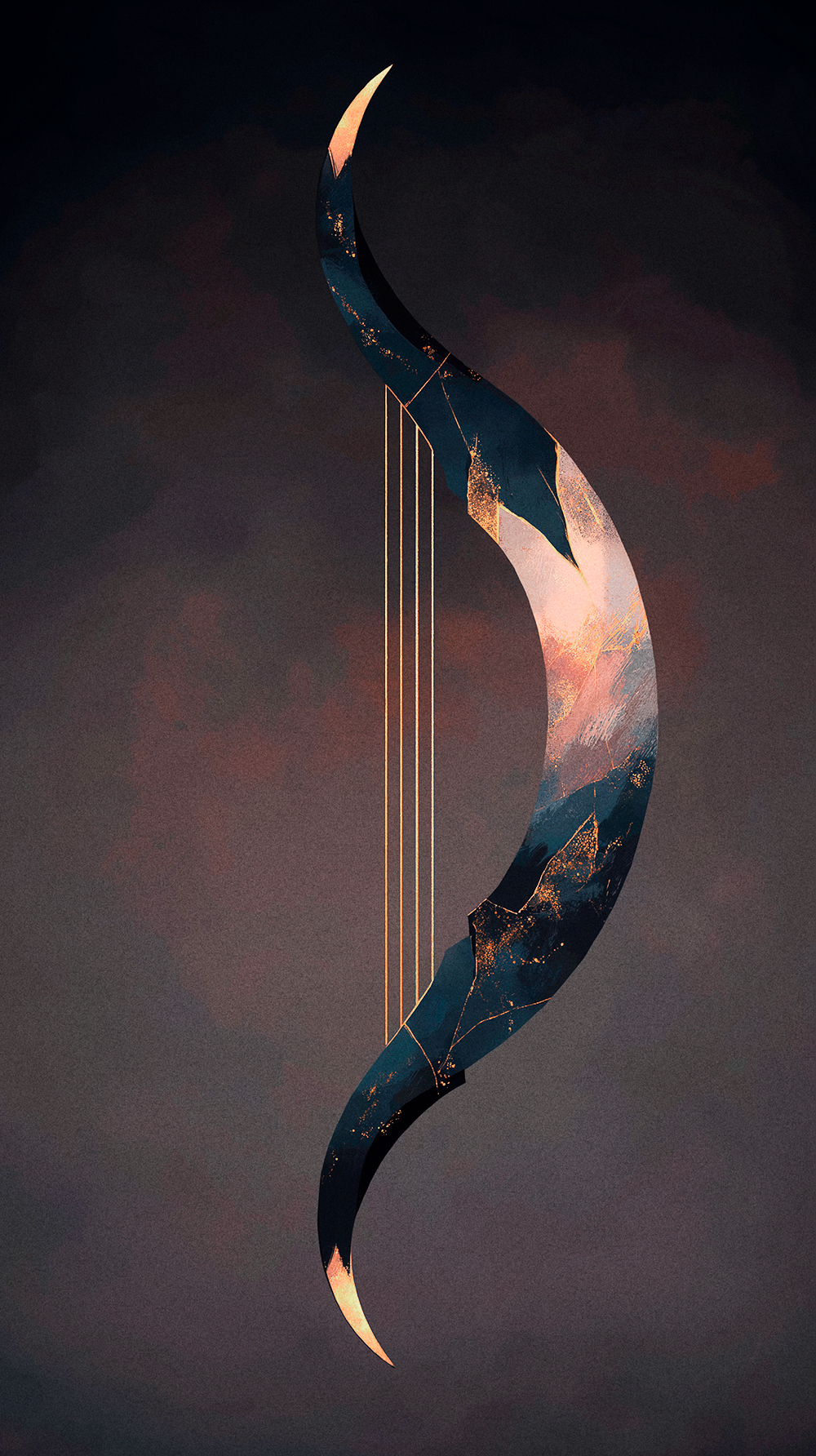
SOPHROSYNE
Music lives one breath before the snap
Sophrosyne
"Music lives one breath before the snap"
The Wound
Hand on the peg. The string's resistance travels through wood, through wrist, into bone. The peg scores your thumb. You turn it and hear the pitch climb before you feel it. A quarter-turn more and the note arrives: warm, full, ringing with a sweetness you recognise before you name it. You have found it – the narrow band where the string sings instead of fading. Where the wire gives everything without giving way. One thread slack, the note blurs. One breath tighter, and the wire screams and snaps. Music lives only here: where the wire wants to break and has not.
The Path
Your hand has found the place. But finding is not holding. Two temptations war in your wrist. The first: slacken. Let the wire sag until it asks nothing of you. Your arm relaxes. The note dies. You feel the relief, and the silence of a string that forgot what it was made for. Or tighten past the singing. Your wrist craves the clean violence of the snap. You turn and turn, and when the wire parts, the snap tastes like joy. Then quiet. Then you reach for the next string. But your hand stops – precisely where the singing lives – while every muscle aches towards release. Neither string nor hand rests. The peg will groove your skin. You will dream of slackening and dream of the snap. But you will wake and find the peg, making the small adjustments that keep you in the narrow band where sound becomes music.
The Shadow
The Precise heard the note once – perfect, ringing. Then he heard it slip – a fraction flat, a ghost of a dissonance. His hand moved to the peg. He cannot bear imperfection long enough to let it settle. Each adjustment overcorrects the last – flat, sharp, flatter, sharper – until the string has nowhere left to go. Some nights he finds it. The note, true and full. He holds his breath, and for three seconds, four – music. Then he hears the slip beginning, and his hand is already moving. He dies still twisting, hands locked on a peg whose string snapped hours ago. He was still hearing it slip. ❖ The Still found the note too – one afternoon she remembers only in sound. It stopped her breath. Now each time she lifts the instrument, her hands remember what perfect sounded like – but her hands are not what they were. Better to preserve the memory than pollute it with decline. So she hangs the instrument on the wall. Some evenings she stands before it. Her finger hovers over the string – so close she can feel the wire's faint warmth. She pulls back. She hangs the instrument on the wall to preserve the memory of that single resonance. The wood dries. The strings go slack in the changing seasons. She lives in a house without echo, guarding a reliquary for an afternoon she was too afraid to repeat. The instrument forgets how to sing long before she forgets how to listen.
The Cut
What did you kill to keep its memory intact?